

Silk duvet cover eco and comfort guide for the bed

Updated on: 2025-12-24
Dreaming of a bed that promises softness, elegance, and lasting comfort? A silk duvet cover instantly transforms your bedroom into a wellness cocoon. Its smooth surface limits friction, naturally regulates heat sensation, and enhances your bedding. Discover how to choose the right fabric, what to check before buying, and best practices to prolong its beauty — all while enjoying practical advice and customer reviews. Ready to upgrade your nights with exceptional bedding?
- Introduction
- Did You Know?
- Comparison: Pros & Cons — silk duvet cover
- Buyer’s Checklist
- Final Thoughts & Advice
- Q&A Section
- About the author
Choosing a silk cover for your duvet means opting for a luxurious touch, subtle shine, and breathable comfort day after day. Whether you want to reduce heat sensation at night, preserve your bedding’s brightness, or give your bedroom a high-end look, silk stands out for its fineness and durability. In this guide, you’ll find key facts, a clear comparison, a buying checklist, and quick answers to common questions. To discover our collections and options suited to your style, explore StudioSoie.
Did You Know?
- Mulberry silk is known for its exceptional softness and fluid drape. It provides a pleasant cool sensation that helps stay comfortable throughout the night.
- High momme count weaving (for example 22 to 25 mm) offers a balance between strength, shine, and suppleness. The higher the number, the denser and more durable the fabric.
- The naturally smooth surface limits friction. Result: a gentler contact for skin and hair, as well as bedding that keeps its neat appearance longer.
- Proper care (delicate washing, gentle drying, light ironing) extends the fabric’s durability and color vibrancy.
- Customer reviews: “I sleep more peacefully, the sensation is incredible.” — Julie. “I notice a visually neater bed in the morning.” — Karim.
Comparison: Pros & Cons — silk duvet cover
-
Advantages
- Highly soft and smooth touch, pleasant all year round.
- Premium look and natural shine that enhance the decor.
- Breathable fabric that helps better manage the feeling of heat and moisture.
- Less friction on the textile fibers of your bedding, which helps keep a neat appearance longer.
- Interesting durability with an appropriate weave density.
-
Disadvantages
- Higher price than alternatives like cotton or polyester satin.
- Requires more careful care (delicate cycle, gentle products, controlled drying).
- More sensitive to snags if abrasive accessories or harsh closures are used.
Compared to cotton, silk is more supple, smoother, and offers a more luxurious finish. Compared to linen, it is less textured and shinier. If you’re looking for a “5-star hotel” feeling daily, silk leads for sensory comfort and aesthetics.
Tip: pair your silk-covered duvet with coordinated pillowcases for perfect visual harmony. Explore our dedicated selections on the Pillowcases page or create your set with matching sheets via the Sheets collection.
Buyer’s Checklist
- Density (mm): aim for a balance between softness and durability (often 22–25 mm for daily use). A too low number may be lighter but less durable, a very high number provides a more pronounced density.
- Origin and weaving: mulberry silk is highly valued for its consistency. Prefer a uniform weave, without pulled threads or dull areas.
- Finish: check the seams (clean and reinforced), closures (quality buttons or zippers), and inner ties to keep the duvet in place.
- Color and shine: sober shades (ivory, sand, pearl gray) transcend trends. The shine should be elegant, never “plastic-like.”
- Size: measure your duvet (single, double, queen, king) and ensure a snug fit, neither too tight nor too loose.
- Care compatibility: prioritize clear instructions. A gentle wash in a mesh bag, a mild detergent, and air drying are reliable guidelines.
- Use and season: for those sensitive to heat, silk offers a pleasant feeling in summer while remaining comfortable in winter with a suitable duvet.
- Overall experience: for a cohesive bed, consider mix & match with coordinated pillowcases and sheets. Discover the dedicated collection Duvet Covers.
Mini testimonials:
“The drape is splendid, my bedroom gained character.” — Inès
“Easier care than expected with a delicate cycle.” — Romain
Buying tip: if you’re unsure between several weights, start with a set of intermediate weight. You’ll enjoy excellent comfort without major compromise on durability.
Final Thoughts & Advice
Investing in a silk set means offering your sleep a quality noticeable from the first night. To get the best out of it, follow simple steps: delicate washing, gentle drying, and avoid abrasive objects. Combine your duvet cover with coordinated pillowcases for a luxurious and harmonious look. Need inspiration? Browse the selections at StudioSoie and create bedding that reflects you.
Final advice: favor timeless shades and a clean finish. You will achieve a lasting style, easy to coordinate with your decorative cushions, throws, and curtains.
Q&A Section
How to properly care for a silk covering?
Wash on a delicate cycle with a mild detergent, preferably in a protective mesh bag. Avoid intense spinning and high-temperature tumble drying. Dry flat or on a hanger in the shade, then iron on low heat on the reverse side if necessary. These simple steps preserve softness, shine, and color.
Is silk suitable for people who often feel hot at night?
Yes, silk provides a breathable and pleasant sensation. Its fineness helps better manage moisture and perceived heat, for a more stable comfort. By pairing it with a duvet suited to the season, you create a comfortable sleeping environment all year round.
What are the differences between natural silk and synthetic alternatives?
Natural silk offers subtle softness and shine, with a very characteristic fluid drape. Synthetic alternatives can mimic the look, but they do not always offer the same breathability or feel. If you are looking for a high-end experience, natural silk remains the reference.
Can I mix silk with other materials?
Absolutely. Many like to pair a silk-covered duvet with quality cotton sheets to vary textures, or with linen for a more raw style. The important thing is to harmonize colors and follow the specific care instructions for each fabric.
Which weight should you prioritize for daily use?
A medium weight is often the best starting point. It provides a nice density, noticeable softness, and satisfactory durability without unnecessarily weighing down the set. Then adjust according to your preferences for feel and thickness.
Ready to take action? Choose your favorite silk duvet cover, coordinate with pillowcases, and complete with matching sheets. Discover our inspirations on StudioSoie.
About the author
StudioSoie is a house specializing in premium bedding, with expertise dedicated to noble fabrics and meticulous finishes. Our mission: to help you create a comfortable, durable, and elegant bed. Thank you for reading and see you soon for more advice.
Dans le Journal
 Awa
Awa
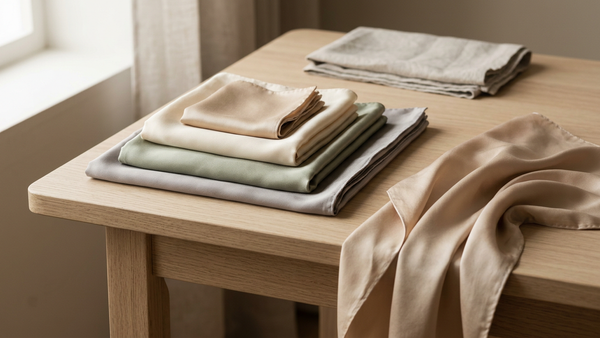
Which silk scarf size should you choose: 53, 65, 70, or 90 cm?
 Inès
Inès
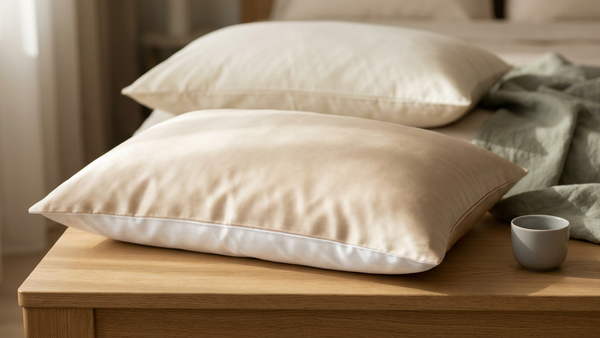
Which pillow to choose: what science really says
 Inès
Inès
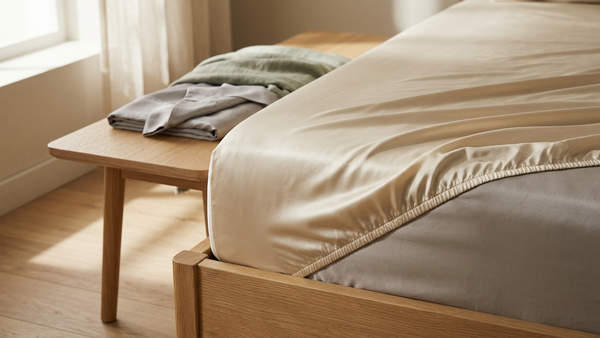
Silk fitted sheet: pocket depth, fit, and real usefulness